
Packaging IP
Packaging Design as Protectable IP: Which IP Rights Protect Your Packaging?
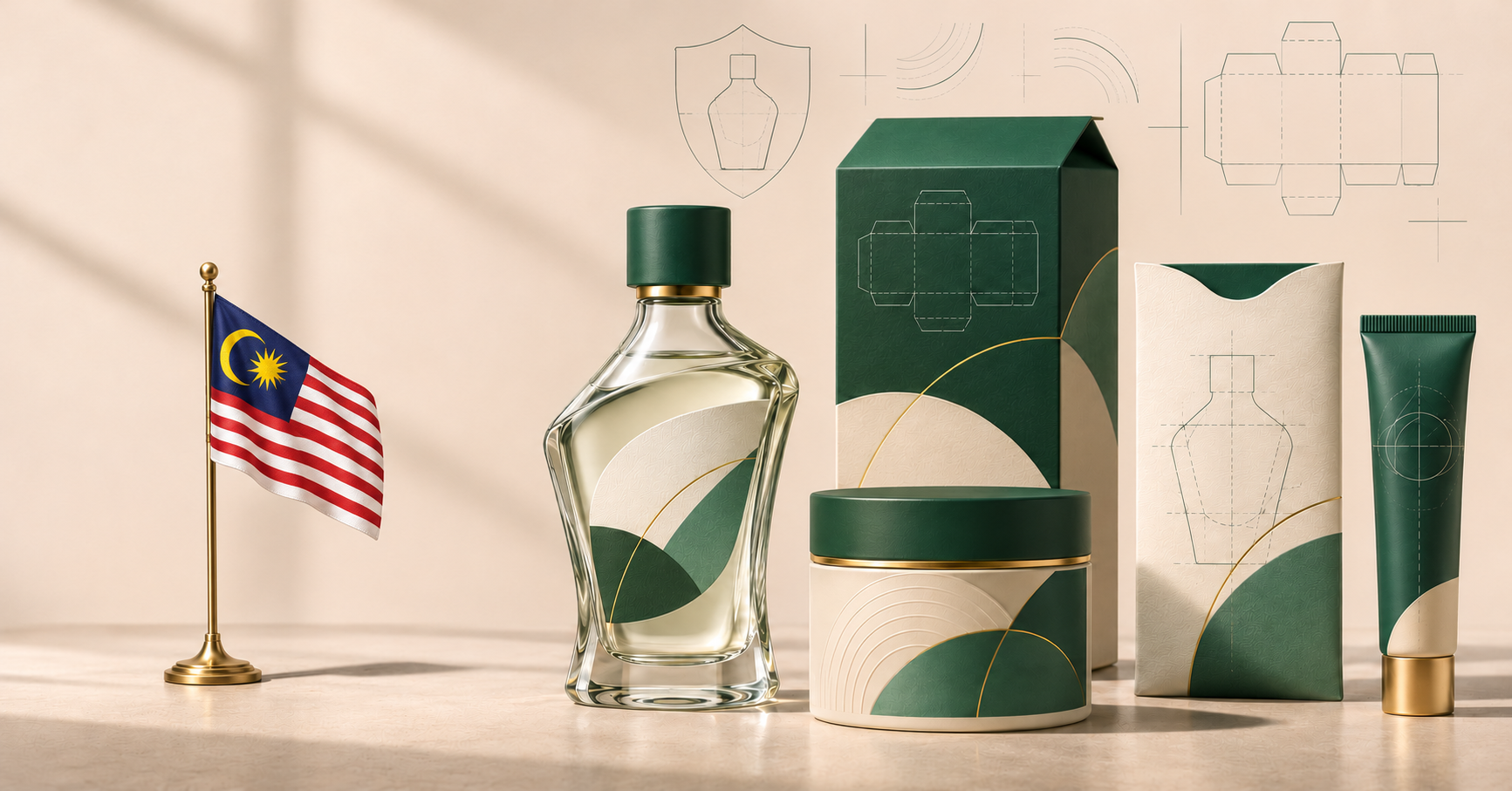
The power of packaging is often undervalued. Packaging is usually one of the first things a customer sees. A uniquely shaped bottle can make a product stand out on a supermarket shelf. An unusually designed box can become part of the customer’s experience. An original illustration can make a product instantly recognisable.
Over time, these features can become much more than just attractive packaging. They can become valuable commercial assets that distinguish a product from its competitors and contribute to the identity and reputation of a brand.
Yet, when businesses think about intellectual property (IP), packaging is often not given the same priority as more familiar IP such as trademarks for brand names and logos, or patents for inventions.
This is a missed opportunity. Depending on the features of the packaging, industrial design, copyright and/or trademark protection may potentially be relevant. Each IP right protects a different aspect of the packaging and comes with its own requirements:
- Industrial design – protects the visual appearance of the packaging;
- Copyright – protects original artwork incorporated into the packaging; and
- Trademark – potentially protects the shape of the packaging where it functions as a distinctive brand identifier.
The right starting point depends on what makes the packaging valuable: its appearance, its creative artwork, or the way consumers recognise its shape as a brand identifier.
01Industrial Design – Protecting the Appearance
Industrial design protection is primarily concerned with the visual appearance of a product or article. It may cover features such as the shape, configuration, pattern or ornamentation applied to an article.
What is the key requirement?
One of the most important considerations for industrial design protection is novelty. In simple terms, the design generally needs to be new and should not have been disclosed to the public before.
This is why businesses should consider filing for industrial design protection before launching or publicly disclosing a new packaging design. For example, publicly posting the new packaging on social media, displaying it at an exhibition or trade fair, or putting the product on the market may potentially affect the availability of protection.
When should a business consider industrial design protection? The question to ask is:
Key questionIs the packaging design itself something that we would not want competitors to copy?
If the answer is yes, industrial design protection may be worth considering before the design is made public.
The shape of a package is only one part of its identity. Its illustrations, graphics and other creative elements may require a different form of protection.
02Copyright – Protecting the Artwork
Packaging is not only about its physical shape. Many packages also contain creative elements such as:
- illustrations;
- drawings;
- photographs;
- graphic designs;
- decorative patterns; and
- original artwork.
These may potentially be protected by copyright. In Malaysia, copyright protection arises automatically when a qualifying work is created, without the need for registration. Nevertheless, businesses may consider filing a Voluntary Notification of Copyright with MyIPO. While such notification does not create copyright protection, it can serve as useful documentary evidence of the work and its claimed ownership, particularly in the event of a dispute.
More importantly, businesses should pay attention to ownership. Packaging artwork is often created by external designers, freelancers or branding agencies. A business should not simply assume that paying for the artwork automatically means that it owns all the relevant IP rights.
The agreement with the designer or agency should clearly address ownership and the rights to use the artwork. This can become particularly important where the packaging is intended to be used for many years or across different products and markets.
Where a packaging shape does more than attract attention and begins to tell consumers who the product comes from, trademark law may also become relevant.
03Non-Traditional Trademark – When the Packaging Shape Becomes a Brand
In Malaysia, the Trademarks Act 2019 recognises various types of non-traditional trademarks, including the shape of goods or their packaging.
Unlike industrial design protection, which is primarily concerned with the novel visual appearance of the packaging, trademark protection focuses on whether the shape can distinguish the goods or services of one business from those of others.
In simple terms, the question is:
Key questionCan consumers recognise this shape as identifying a particular business or brand?
A trademark is therefore not simply about whether the packaging looks unusual or attractive. The shape must be capable of functioning as a source identifier, that is, consumers associate the shape with a particular business. This generally presents a higher hurdle than simply creating a unique packaging design.
From Packaging Design to Brand Identity
Consider a company that launches a product in a distinctively shaped bottle.
At the beginning, consumers may simply see the bottle as an attractive or unusual design. At this stage, the company may consider industrial design protection for the appearance of the bottle.
If the bottle also carries original illustrations or graphics, those elements may potentially be protected by copyright.
Then, imagine that the company continues using the same bottle for many years and consistently promotes it as part of its product identity. Over time, consumers may begin to recognise the bottle without needing to see the brand name or logo. The shape is no longer simply a design feature. It may have become part of the brand identity. This is where shape trademark protection may potentially become relevant.
Recognised packaging in practice
How packaging can evolve into a brand asset
These examples illustrate how consistent use can give a packaging shape significance beyond its original design function.
Coca-Cola contour bottle
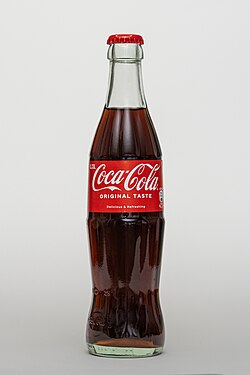
The bottle’s distinctive shape was designed to give Coca-Cola a bottle that consumers could recognise. Over time, the shape itself became strongly associated with Coca-Cola. This provides a useful illustration of the difference between the two concepts.
Industrial design
“This is a distinctive visual design of a bottle.”
Trademark
“This bottle shape tells consumers that the product comes from a particular brand.”
This example illustrates perfectly how packaging can have value beyond its original design function. What begins as a unique product design can, through extensive and consistent use, become something that consumers associate with a particular brand.
Yakult bottle
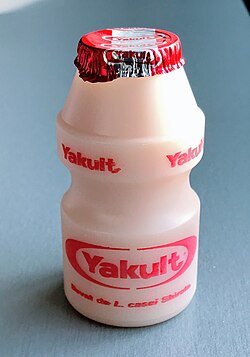
Another well-known example is the Yakult bottle. In Japan, the bottle’s distinctive shape has been recognised as capable of trademark protection, as consumers have come to associate the shape of the bottle with Yakult through its extensive and consistent use since the 1960s. This illustrates how a packaging design can, over time, develop into a distinctive brand identifier in the minds of consumers.
Can One Package Have More Than One IP Right?
Potentially yes. Different IP rights can complement one another, with each protecting a different aspect of the same packaging.
This can also be particularly valuable because the duration and nature of protection differ. For example, registered industrial design protection is granted for a limited period, subject to renewal requirements, while a registered trademark can potentially be renewed indefinitely as long as the relevant requirements are satisfied.
Protect the Packaging, Not Just the Brand Name
Packaging can be one of a company’s most visible and valuable creative assets.
A new bottle shape may help a product stand out. Original artwork may make it memorable. With consistent use, a distinctive packaging shape may even become part of the brand identity itself.
For this reason, businesses should look beyond the traditional question of:
“Have we protected our brand name and logo?”
and also ask:
“Have we considered protecting the design and creative elements that make our packaging unique?”
Prepared by Lau Jian Quan
This article is intended for general information only and does not constitute legal advice. It should not be relied upon as a substitute for specific legal advice based on the facts and circumstances of any particular matter. Legal advice should be sought before taking, or refraining from taking, any action in reliance on the contents of this article.
Back to article list